

Designed for Balance
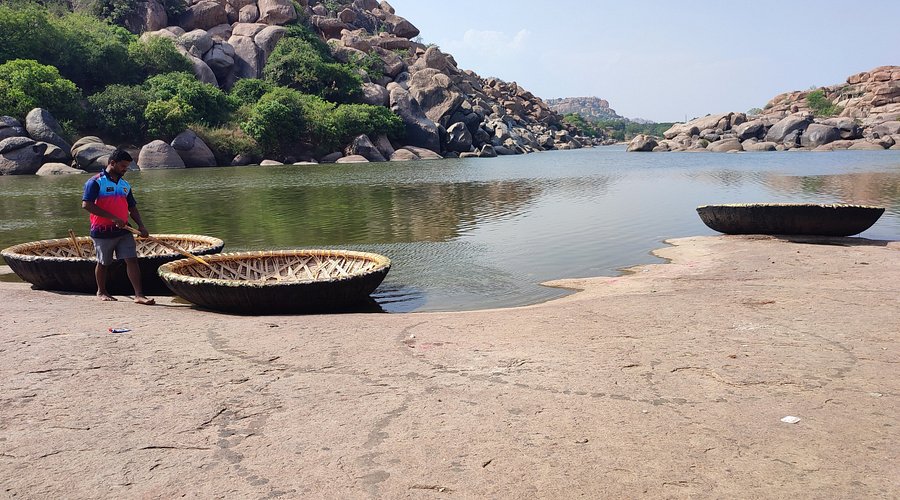
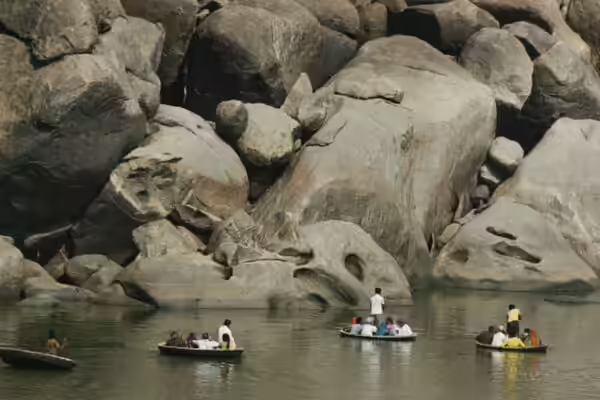
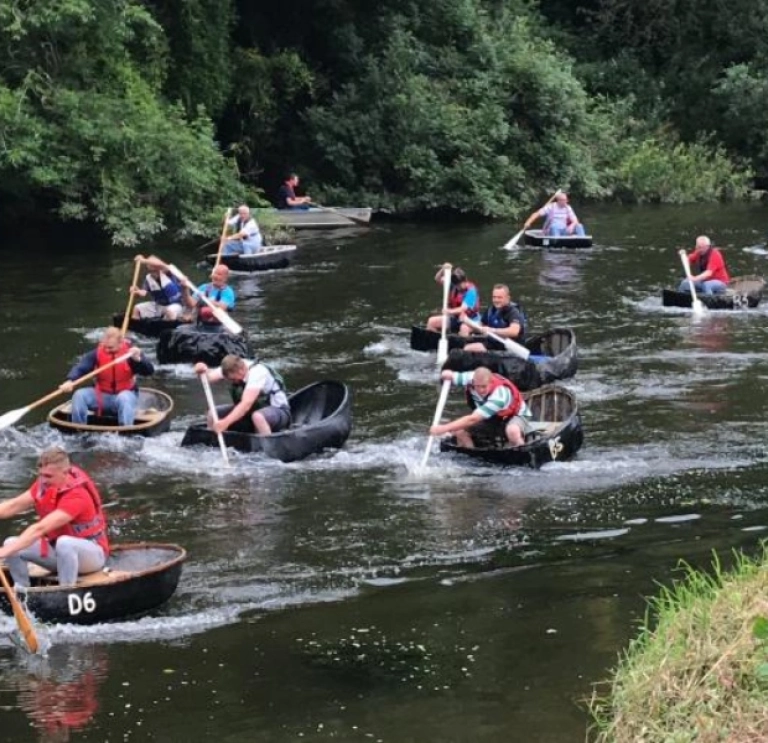
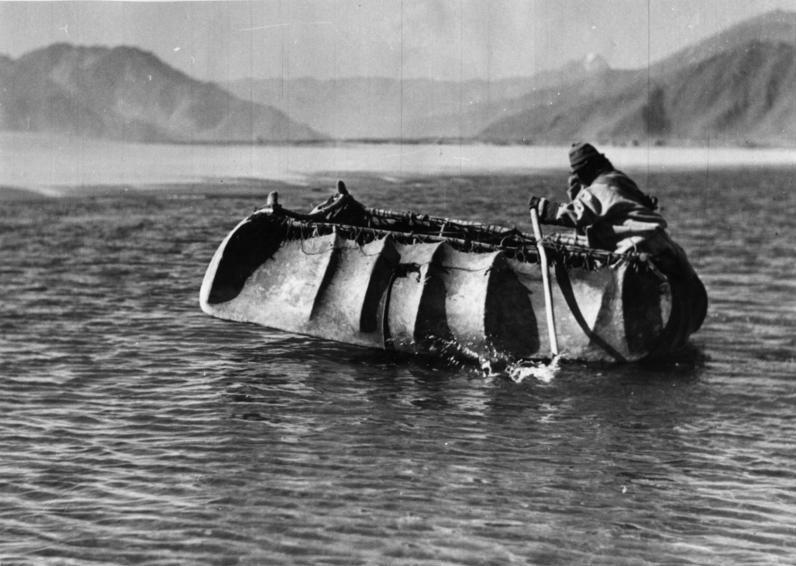
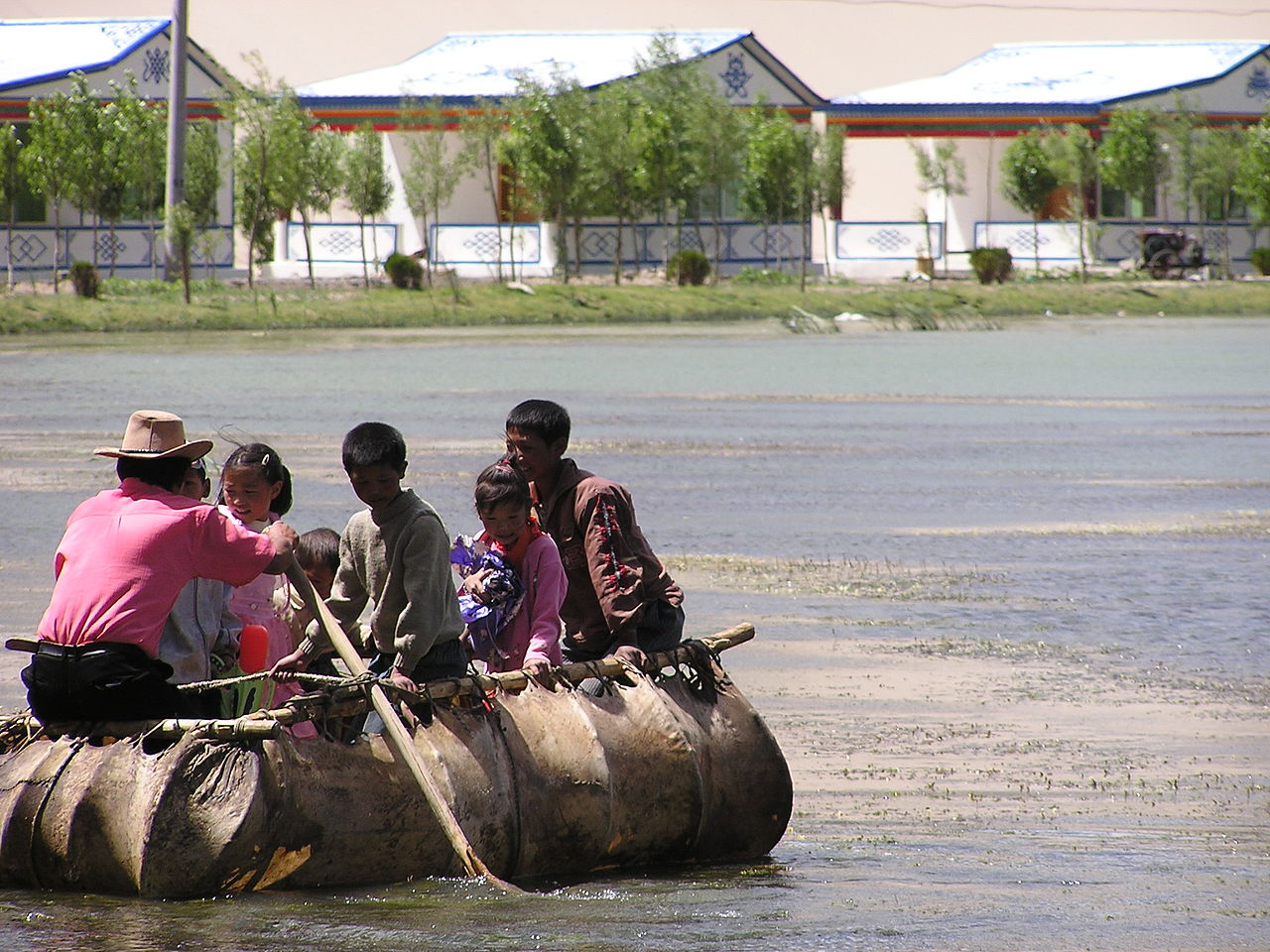
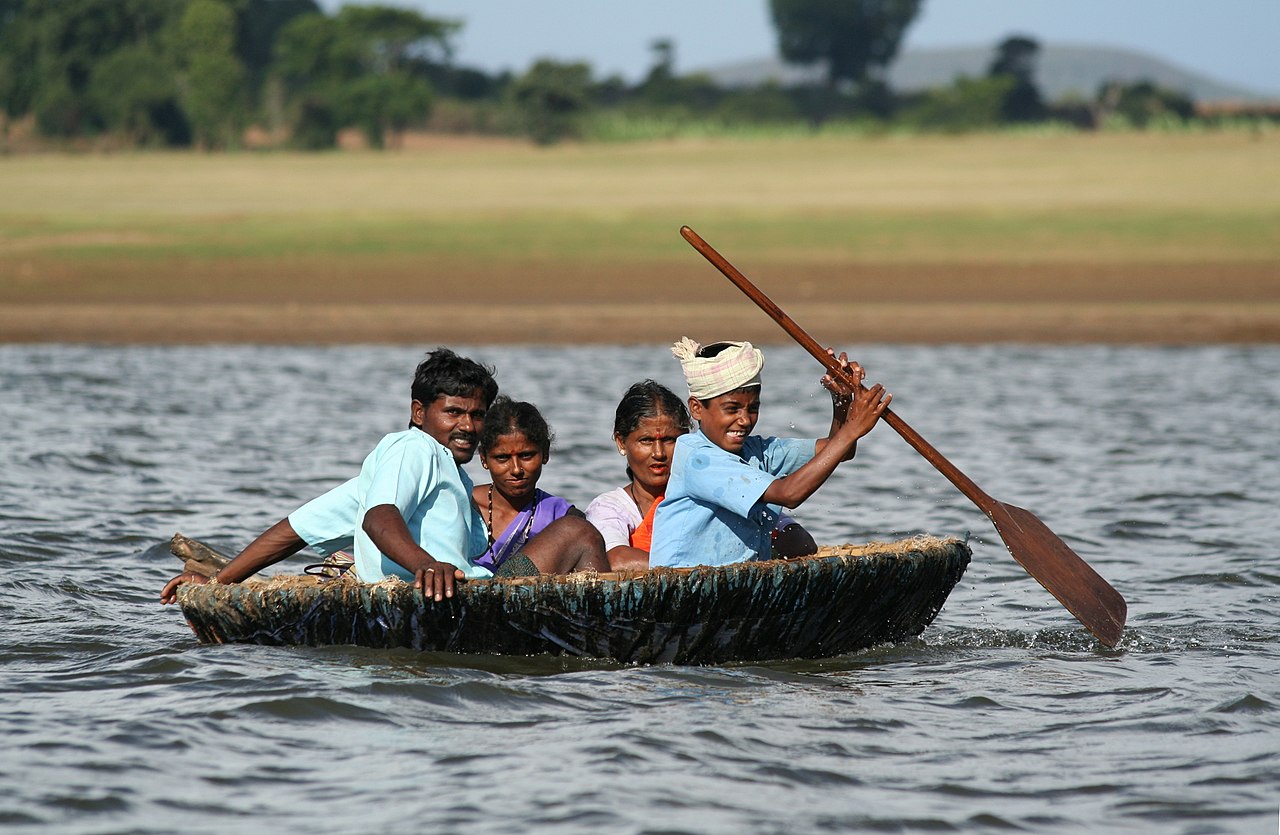
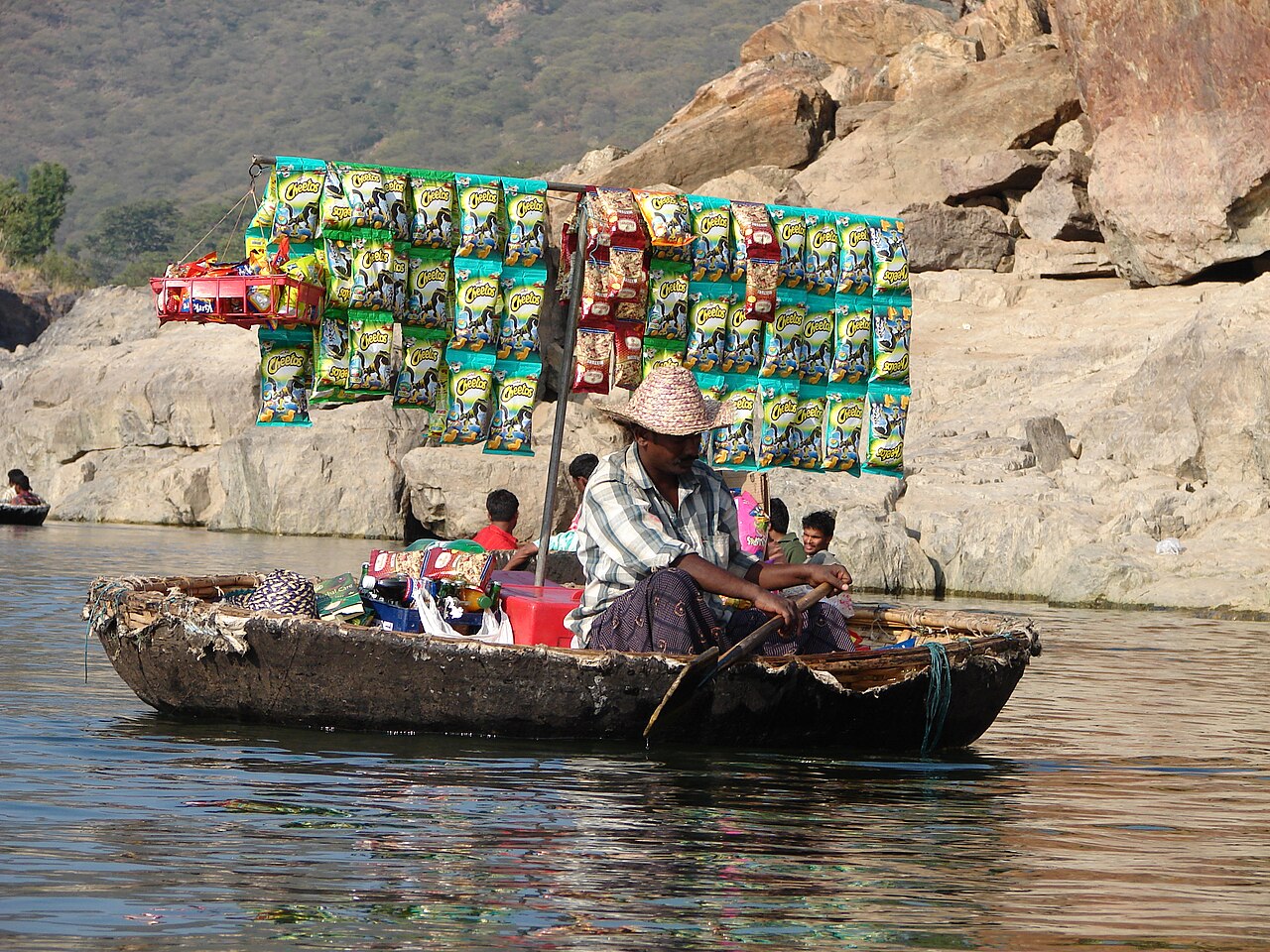
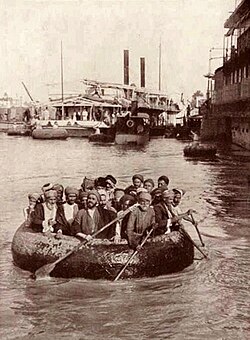
A coracle is a small, rounded, lightweight boat traditionally used in Wales, Ireland, particularly on the River Boyne, and Scotland, particularly on the River Spey. The word is also used for similar boats found in India, Vietnam, Iraq, and Tibet. The word coracle is an English spelling of the original Welsh cwrwgl, cognate with Irish and Scottish Gaelic currach, and is recorded in English text as early as the sixteenth century. Other historical English spellings include corougle, corracle, curricle and coricle.
Structure
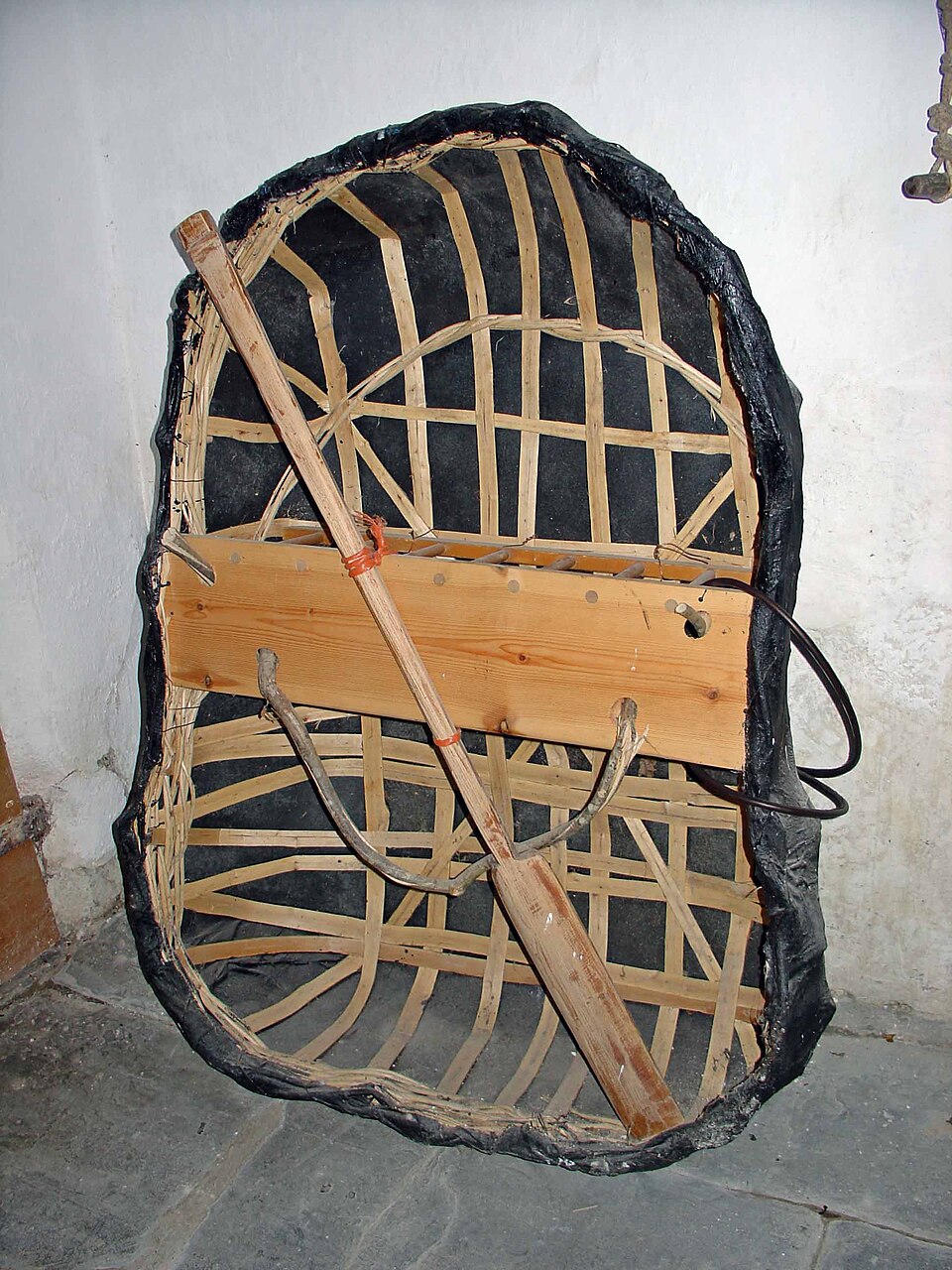
Coracle on the River Severn near Ironbridge A typical coracle's structure consists of a framework of split, interwoven willow rods, tied with willow bark. The outer layer was originally an animal skin such as horse or bullock hide (corium), with a thin layer of tar to waterproof it; today replaced by tarred calico, canvas, or fibreglass. The Vietnamese/Asian version of the coracle is made of interwoven bamboo and made water proof by using resin and coconut oil. Oval in shape and very similar to half a walnut shell, the coracle has a keel-less flat bottom to evenly spread the load across the structure and to reduce the required depth of water; often to only a few inches. This structure helps to make the boat more maneuverable and less likely to snag when used on narrow and/or shallow slow-running waterways.
Histroy
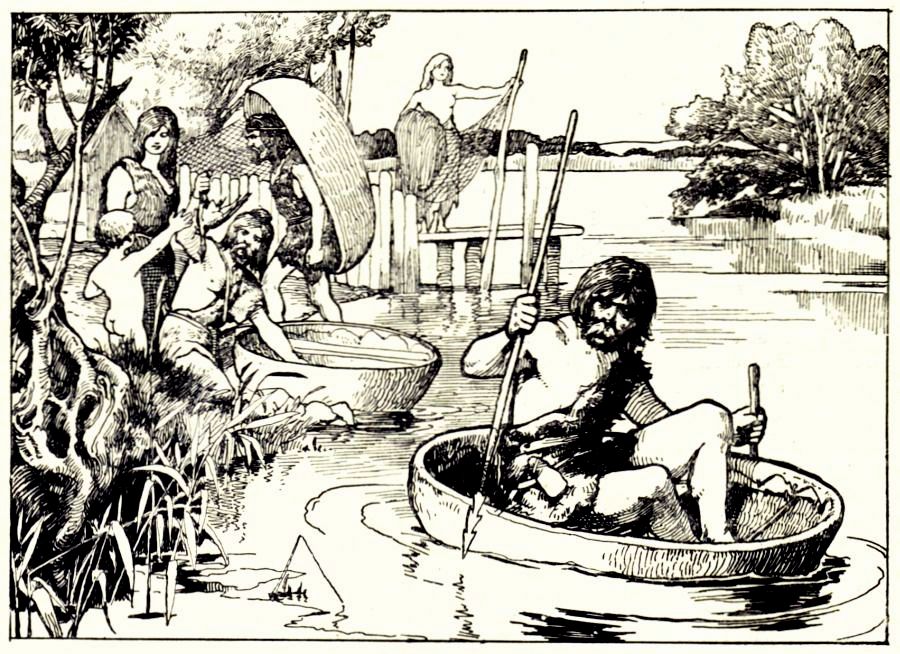
Designed for use in swiftly flowing streams, the coracle has been in use on the British Isles for millennia, having been noted by Julius Caesar in his invasion of Britain in the mid first century BC, and used in his military campaigns in Spain. Remains interpreted as a possible coracle were found in an Early Bronze Age grave at Barns Farm near Dalgety Bay, and others have been described, from Corbridge and from near North Ferriby. Where coracle fishing is performed by two coraclers the net is stretched across the river between the two coracles. The coraclers will paddle one handed, dragging the net in the other, and draw the net downstream. When a fish is caught, each hauls up an end of the net until the two boats are brought to touch, and the fish is then secured, using a priest (or knocker – a small block of wood) to stun the fish.